SoSha Logo

National Wildlife Federation

State Wildlife Action Plans Tookit

Help us elevate the State Wildlife Action Plans as a critical tool for addressing the wildlife crisis. You can edit the suggested text to fit your state and organization. Using Sosha will help us keep track of digital engagement.

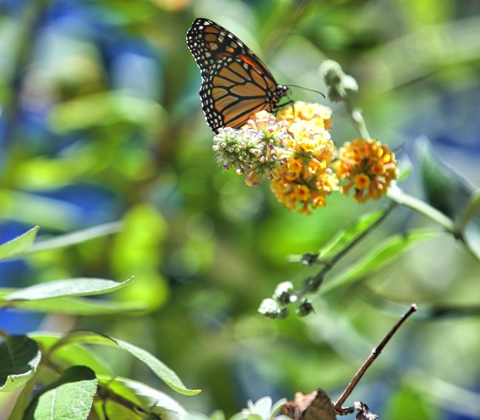
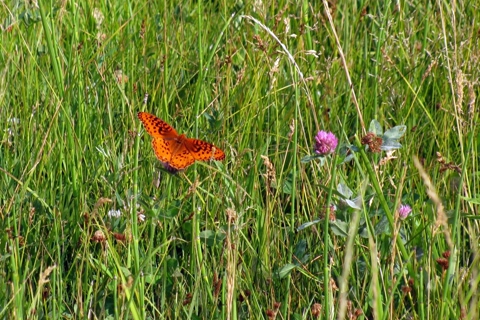
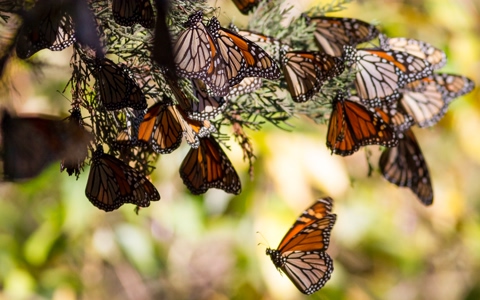
Have you seen a monarch butterfly lately? 🦋 Monarchs' dwindling western populations face real extinction risks. Wildlife Action Plans help states, landowners, and others coordinate on solutions — and monarchs need all hands on deck. #MonarchButterflies #WildlifeActionPlan

Select social network:
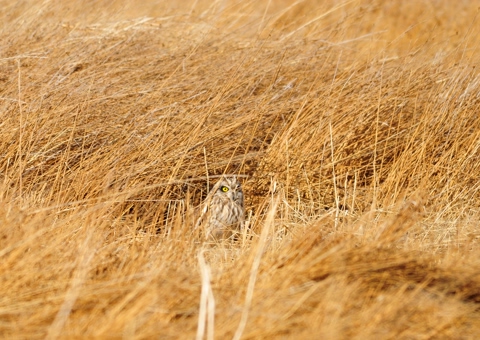
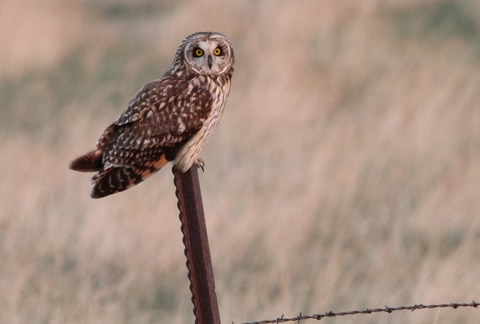
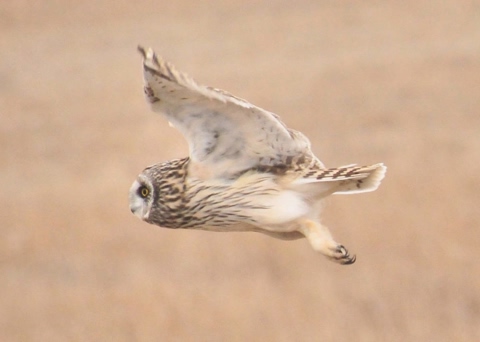
With their weird daytime schedule & nests on the ground, short-eared owls think they’re sooo special ✨🦉And they are! That's why State Wildlife Action Plans — which help coordinate efforts to save short ears & their grassland homes — are so critical. #WildlifeActionPlans

Select social network:
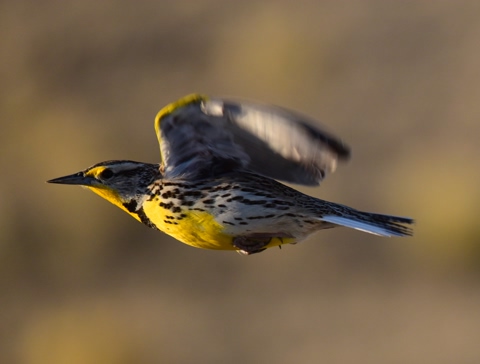
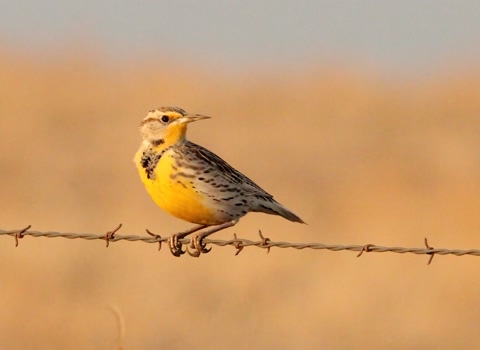
[CUSTOMIZE FOR YOUR STATE & DELETE THIS MESSAGE BEFORE POSTING] Though they're bright yellow, western meadowlarks are getting harder to spot: 50% have been lost since 1970. [STATE'S] Wildlife Action Plan lists meadowlarks as a priority — and contains crucial strategies for restoring their grassland homes. #Meadowlarks #WildlifeActionPlan

Select social network:
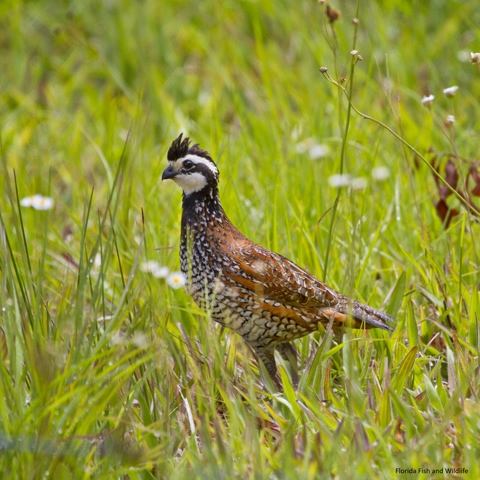
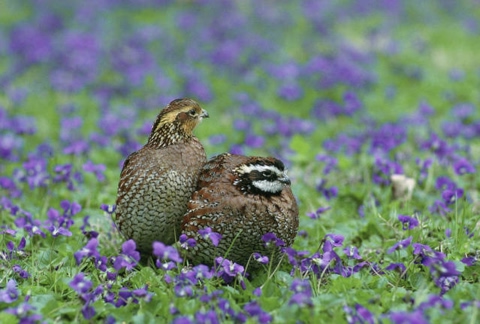
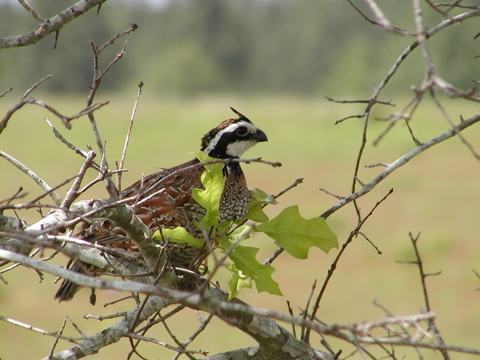
[CUSTOMIZE WITH YOUR STATE & DELETE THIS NOTE BEFORE POSTING] Bobwhite quail, once common, are vanishing. Their numbers have plunged by up to 85% since the 1960s. [STATE'S] Wildlife Action Plan — a 10-year conservation blueprints [STATE] will update this fall — is critical for saving species like this “prince of game birds.”

Select social network:
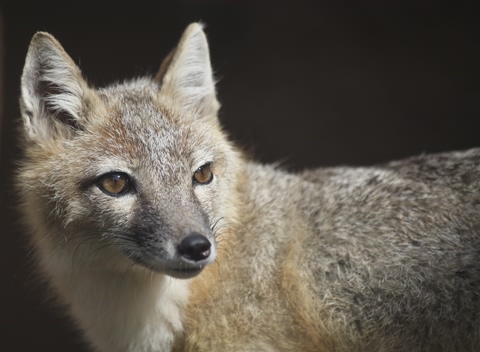
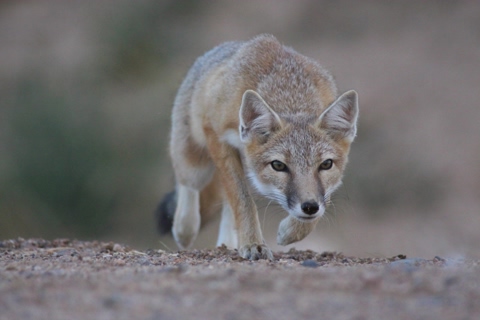
Once listed as an at-risk species, now living their best lives. Swift foxes are making a comeback thanks to State Wildlife Action Plans — the most important conservation blueprints you’ve never heard of. #SwiftFox #WildlifeActionPlan

Select social network:
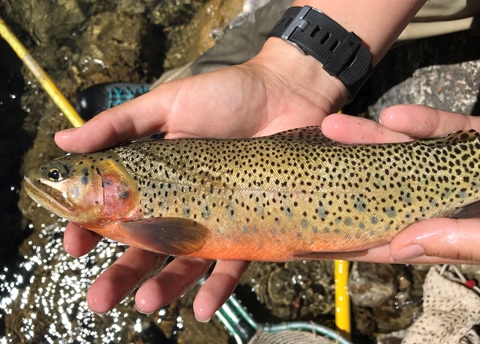
The westslope cutthroat trout, a subspecies native to Montana, were once abundant west of the Continental Divide. However, habitat loss and degradation, and hybridization with rainbow and Yellowstone cutthroat trout, have threatened this iconic subspecies. Montana has listed the fish as a priority species in their Wildlife Action Plan — the most important conservation blueprint you’ve never heard of. These little-known but critical conservation plans detail strategies to recover imperiled species like the westslope cutthroat trout, helping to guide restoration efforts and prevent listings under the Endangered Species Act. Photo Credit: Jim Mogen/USFWS #WestslopeCutthroatTrout #WildlifeActionPlan

Select social network:
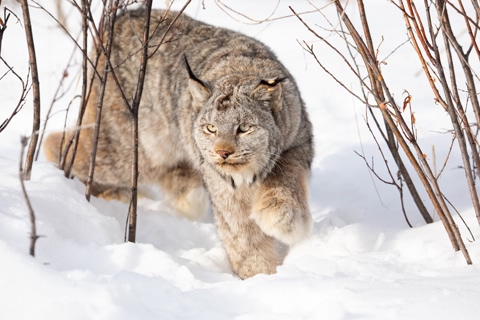
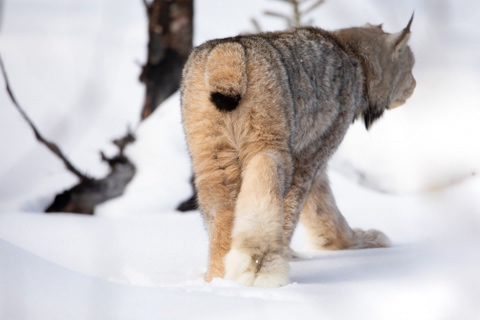
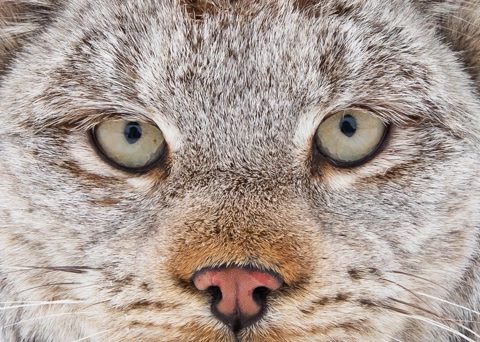
Fluffy but fierce! Canada lynx, once nearly wiped out, are making a comeback thanks to state conservation efforts. Learn how Wildlife Action Plans are helping these elusive cats & other at-risk species! #CanadaLynx #WildlifeActionPlan

Select social network:
State Wildlife Action Plans are essential to protecting at-risk species like the Nokomis silverspot butterfly 🦋 These butterflies are only found in ten places across Colorado, New Mexico, and Utah. Photo Credit: Terry Ireland/USFWS #NationalWildlifeWeek

Select social network:
Utah’s state fish, the Bonneville cutthroat trout, was once thought to be nearly extinct. Thanks to the decades-long conservation efforts from the Utah Division of Wildlife Resources (DWR) and trout lovers across the state (including businesses, conservation groups, and river advocates), anglers now have the chance to catch native trout that were nearly lost. By the 1960s, cutthroat populations were only a fraction of historic levels, threatened by habitat loss and fragmentation, declining water quality, and the introduction of non-native species. Despite this, no Utah subspecies of cutthroat trout have ever been listed as threatened or endangered under the Endangered Species Act. This is thanks to agencies like the DWR and their partners who have worked to implement a number of strategies that help to conserve the species. Utah’s Wildlife Action Plan played a major role in grounding these recovery efforts. These little-known but critical conservation plans act as a blueprint to prioritize and recover imperiled species like the cutthroat trout, and prevent listings under the Endangered Species Act. Most states will submit their updated plans this fall, which will help to guide the next 10 years of crucial conservation efforts in the state. Photo Credit: Clint Wirick/USFWS #BonnevilleCutthroatTrout #WildlifeActionPlan
Select social network:
With colors as striking as the New Mexican sunset, the Gila trout is quite a catch 🌄. The subspecies is one of the rarest trout in the United States, and one of the first western North American fish with a dedicated management plan focused on conservation. The trout was listed as federally endangered in the 1970s under the Endangered Species Act, but thanks to decades of conservation work across New Mexico, it was reclassified as threatened in 2006. Despite the success in downlisting the Gila trout, conservation efforts persist today. The subspecies is listed as a priority on the New Mexico State Wildlife Action Plan - the most important conservation blueprint you’ve never heard of. These little-known but critical conservation plans detail strategies to recover imperiled species like the Gila trout, with the ultimate goal of preventing listings under the Endangered Species Act. Most states will submit their updated plans this fall, which will help to guide the next 10 years of crucial conservation efforts across the state. Photo Credit: Craig Springer/USFWS #GilaTrout #WildlifeActionPlan

Select social network:
Black-footed ferrets, North America's rarest mammal, were once thought to be entirely extinct. Today, their slow comeback is being squeezed by the federal freezes and firings. State Wildlife Action Plans detail ways to help recover at-risk species like the black-footed ferret.

Select social network:
Colorado’s state fish, the greenback cutthroat trout, was once thought to be extinct. Today, the species is working its way back to recovery. Named for the red slash under its jaw, the trout has seen major recovery breakthroughs because of Colorado’s decades-long research and conservation work. By 2012, scientists discovered the species’ last known population in Bear Creek, part of the Arkansas River Basin west of Colorado Springs. Since then, Colorado Parks and Wildlife developed an aggressive conservation strategy to help restore native cutthroat populations in collaboration with state and federal wildlife agencies and other conservation groups. The state’s habitat restoration and reintroduction efforts have paid off—in 2022, Colorado Parks and Wildlife biologists found the first restocked population of greenbacks naturally reproducing in the wild. Colorado’s Wildlife Action Plan played a major role in grounding these recovery efforts. These little-known but critical conservation plans act as a blueprint to enact science-backed solutions to recover at-risk species like the cutthroat trout, and bring them back from the brink. Most states will update these crucial plans this fall, which will help to guide the next 10 years of conservation priorities in the state. Photo Credit: Chris Kennedy/USFWS #GreenbackCutthroatTrout #WildlifeActionPlan

Select social network: